
MEET LAURI-ANN
I’m an author, writer and speaker exploring self-leadership and the stories we carry. I write to discover what our experiences have taught us: the strengths, instincts and wisdom we don’t always recognise, and what becomes possible when we give them words.
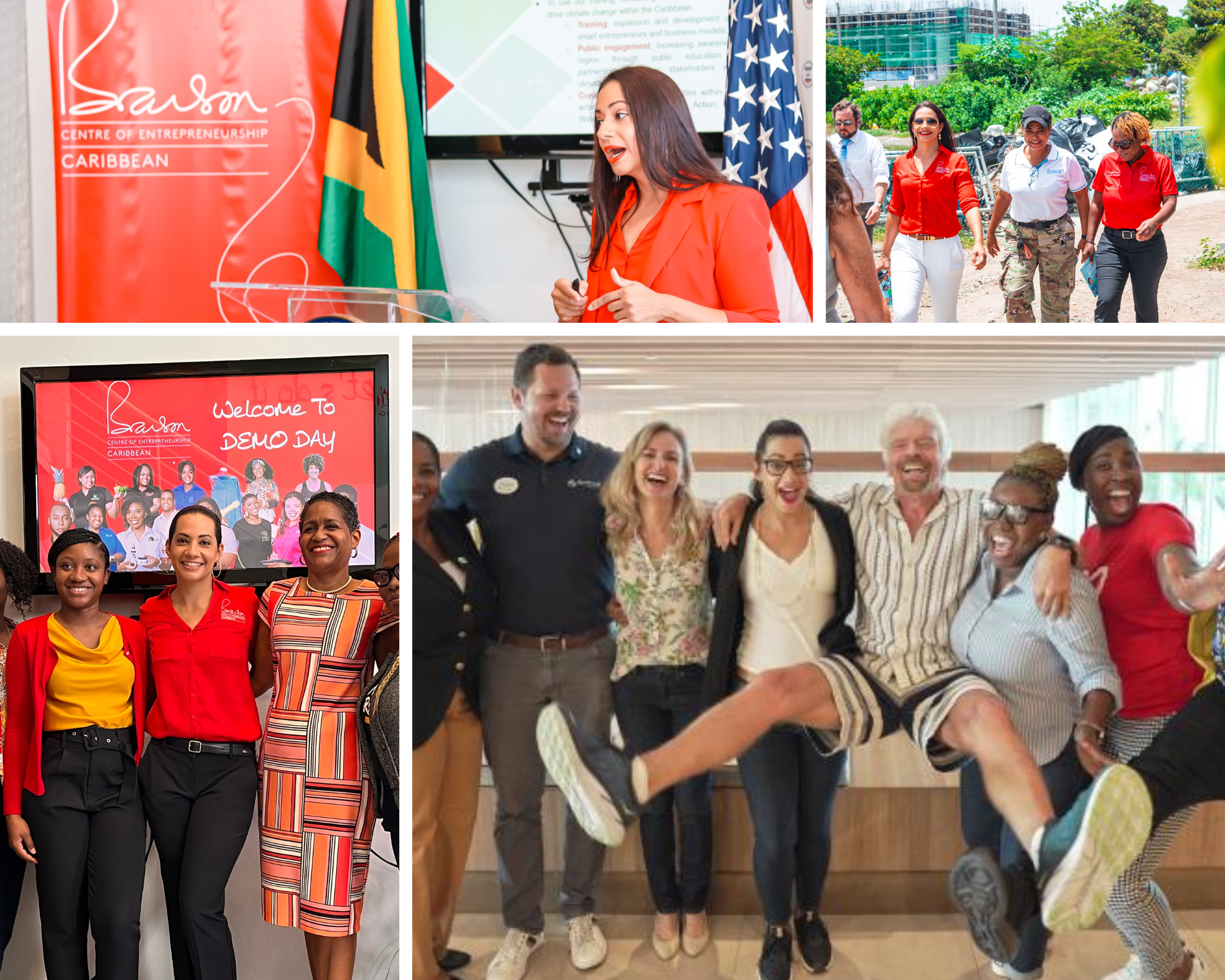
I bring more than twenty years of experience across marketing, entrepreneurship and leadership, including six years as CEO of the Branson Centre of Entrepreneurship Caribbean. Leading, becoming a mother and learning to care for myself have shaped my belief that knowing ourselves is essential to how we live, lead and create.
I believe our stories reveal what achievement alone cannot. Within the lives we’ve already lived are connections, questions and perspectives worth exploring. Through my writing, speaking and work with others, I help people find meaning in their experiences and shape stories others can connect with—even if they don’t consider themselves writers.
I’m the author of The Self-Love Mindset, published by Capstone, a Wiley imprint, and the creator of The Self-Written Life, my Substack exploring the stories we carry, what life teaches us and the practice of becoming the author of our own lives.
CEO turned Storyteller

I grew up in Jamaica knowing exactly what I was going to be…
A doctor.
I wasn’t pushed toward it (well kinda), but mostly because in the Jamaica I grew up in, success had a short and very specific list of acceptable shapes: doctor, lawyer, accountant, teacher, pilot.
Medicine felt serious and purposeful. It felt like work that left a real mark on the world. So I believed in it wholeheartedly, the way you believe in things when you are young and the culture around you has unanimously agreed on what matters.
I was also, without fully appreciating it, exceptionally good with words.
Literature came easily to me. Language felt like home. But I didn't see that as a gift worth following. Writing was a hobby. It was what people listed on their CVs somewhere between their real qualifications and their interests.
It was not a serious life.
Then a school principal looked at my transcript and told me:
“You are naturally inclined to do languages and literature. You could be a Nobel Laureate.”
I was furious.
I wanted him to see a future doctor. He was pointing to something I wasn’t ready to value.
The thing that kept following me.
I studied literature. Then I built a career in marketing, entrepreneurship and leadership. I built brands and programmes, worked with founders, led teams and eventually became CEO of the Branson Centre of Entrepreneurship Caribbean.
For six years, I led an organisation through growth, change, uncertainty and crisis.
And through it all, I kept writing.
I wrote to think and to make sense of difficult decisions. To understand what I was feeling before I knew what to do about it. The page became one of the places where I could hear myself most clearly.
Becoming a mother, experiencing burnout and learning to care for myself brought questions that achievement alone couldn’t answer.
Who was I beyond everything I did for other people? What did I need? What mattered to me?
I started writing the way you write when no one is watching. For me that was messily (mostly illegibly) honestly (sometimes in a very cringey way) and without stopping to make it sound good.
Over time, I began to notice my strengths, values, patterns and contradictions. I could see connections between experiences I’d thought of as separate. I began to understand what they had taught me.
Those pages became part of the thinking behind my first book, The Self-Love Mindset: Why Personal Well-being Is the Ultimate Business Strategy, that was published by Capstone, a Wiley imprint.
Writing changed the way I understood my life. It also helped me give what I was learning a form someone else could use.
The thing I’d spent years treating as a hobby had been one of my most important tools all along.
Finding the story in what we’ve lived.
Today, I’m drawn to people’s stories. The experiences they return to. The questions they can’t quite leave alone. The things they know because they’ve lived them.
I’m interested in how we discover what those experiences mean and find a way to tell them that someone else can connect with.
My own experiences have become a published book, two journals, talks and workshops. Helping other people connect the dots is something I’ve come to recognise in myself, too: listening closely, noticing a thread and helping someone find words for what they’re trying to say.
That curiosity runs through my writing, speaking and the work I’m developing with others.
Perhaps people have told you, “You should write a book.” Perhaps there’s a story you’ve told many times, but you’re still trying to understand what sits at its heart. Or perhaps you’ve kept it to yourself because you don’t consider yourself a writer.
I know how easy it is to dismiss something that comes naturally to you. To put it under “hobby” and get on with the serious business of life.
But I’ve learned to pay attention to what keeps returning.
There may be a story there. Something you’re beginning to understand. Something that could help someone else.
What do you know that only your life could have taught you?
